
A crab pot is one of Stardew Valley's quieter money-making tools. It does not ask you to spend the whole day fishing, and it can keep producing useful items while you farm, mine, or build friendships. If you are still learning your first season, this system can feel a little unclear at first. You craft the equipment, place it in water, add bait, and then wait until the next day to collect the result. You do not need the perfect start—just a smoother one.
How to Unlock and Craft a Crab Pot
You unlock the crafting recipe when your Fishing skill reaches level 3. The recipe requires 40 wood, three iron bars, and three pieces of bait. That cost is fairly reasonable once you have visited the mines a few times, although the iron can feel more valuable during the first spring. You can also buy a crab pot from Willy's Fish Shop for 1,500g, which is usually a poor early-game purchase unless you have plenty of money and no urgent tool upgrades.
The best first step is to decide whether you actually enjoy fishing before spending resources. Reaching Fishing level 3 through the minigame gives you the recipe naturally, while crab pots themselves do not provide Fishing experience when you collect them. You can craft one to test the routine, then add more after you know where you want them. A small group of three to five is easier to maintain than filling every available shoreline immediately.
You can also receive a crab pot through certain rewards, including the Fishing specialty path at Fishing level 10. That is not something you need to plan around in year one, but it can make a larger setup cheaper later.
Where to Place Your Crab Pot
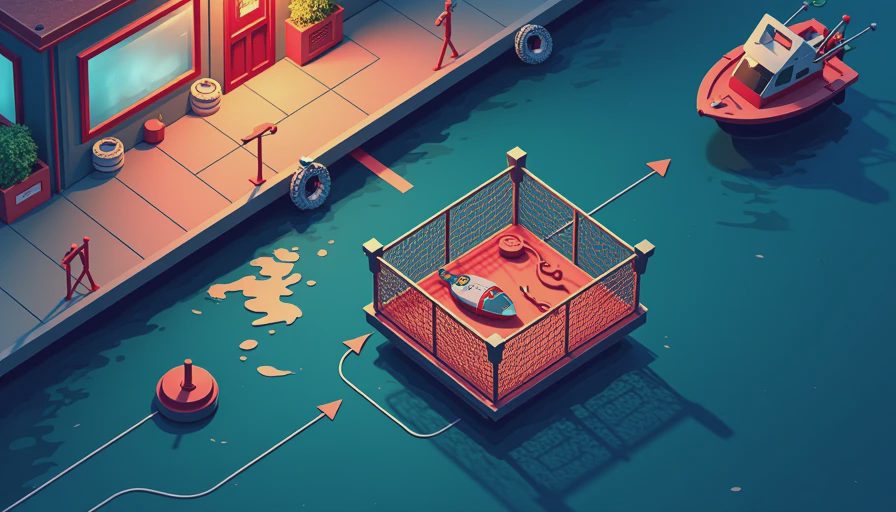
A crab pot must be placed in a body of water. The ocean is the most recognizable location, but you can also use rivers, lakes, and suitable farm ponds. Placement is easiest when you stand beside the shoreline and watch for the game to show a valid placement outline. If the item will not sit down, move one tile at a time rather than repeatedly clicking the same spot.
Location affects what you can catch. Ocean water can produce items such as crab, lobster, shrimp, oyster, clam, and mussel. Freshwater locations can produce crayfish, snail, and periwinkle. Both types of water can also produce trash unless you have the right profession. This makes the ocean more attractive if you want valuable fishery items, while a farm pond is convenient when you want a very short collection route.
The beach is a practical early choice because you may already visit Willy, collect forage, or check tide pools there. The river near town is convenient too, especially if you are placing pots while walking between Pierre's shop and the mountain path. A good location is one you will naturally pass every day. A perfect shoreline that requires a special trip often becomes an abandoned shoreline after a week.
Bait, Collection, and Daily Routine
After placing a crab pot, interact with it while holding bait. Standard bait is crafted from bug meat or purchased from Willy for a small amount of gold. Once bait is loaded, the pot works overnight. Return the next day, collect the item, and bait it again. The collection action is quick, so a row of five pots takes only a few seconds when they are placed together.
The Luremaster profession removes the need to bait crab pots, which is helpful if you build a large network. Without that profession, keep bait in a chest near the dock. A stack of 50 bait prevents the common mistake of walking past empty pots for several days. I like placing a chest near the beach bridge or beside a farm pond, depending on the route I use most.
Trash is not completely useless. Driftwood, broken glasses, soggy newspapers, and other unwanted catches can be processed, recycled, or discarded, depending on your crafting supplies. Still, collecting trash every day can make a small setup feel disappointing. If you have not chosen Mariner yet, treat the pots as a background source of fishing items rather than a guaranteed profit machine.
Is a Crab Pot Worth the Cost?
For a new farmer, the answer depends on your stage of progression. The materials for one crab pot are modest, but three iron bars can also help with tool upgrades, sprinklers, and other crafting recipes. If your watering can is still basic and your farm is becoming difficult to manage, upgrading your tools may be more valuable than building ten pots.
Once your core tools are improving, the system becomes much more appealing. Crab, lobster, shrimp, and other catches can be sold or used in recipes and bundles. Some items are also useful for gifts. Lobster, for example, is a liked gift for several villagers, while crab and shrimp can support cooking later. Even a disappointing trash catch can become recycling material if you have the Recycling Machine recipe and enough machines.
Think of the setup as reliable background income, not a replacement for crops, mining, or active fishing. A group of ten pots can produce a mixture of useful items, but daily bait and collection take time. Five well-placed pots beside a regular route often feel better than twenty scattered around the map.

A Simple First-Year Crab Pot Plan
During spring, focus on reaching Fishing level 3 and saving a few iron bars. Do not rush to buy pots from Willy if that money is needed for seeds, a backpack upgrade, or a tool improvement. After crafting your first one, place it in the river or ocean and watch how often you remember to check it.
In summer, expand only if the routine is comfortable. Three ocean pots near the beach can give you useful catches while you visit the tide pools. Keep bait in your inventory or in a nearby chest, and collect the pots before returning home. If you find yourself forgetting them, move them closer to a path you already use.
By fall, you can decide whether the system deserves more resources. This is a good time to compare the value of extra pots with kegs, preserves jars, sprinklers, and house upgrades. Players who enjoy a relaxed collection route may build a larger row. Players who dislike repetitive errands can leave the setup small and still benefit from it.
Common Mistakes to Avoid
The first mistake is placing a pot and expecting it to work without bait. Unless you have the Luremaster profession, an unbaited pot will not produce a catch. The second is assuming every location gives the same items. Ocean and freshwater catches differ, so choose the water based on what you need.
Another common mistake is scattering pots across several maps. You can use the farm pond, river, lake, and beach, but the extra walking quickly cancels out the convenience. It is better to create one compact route. Also remember that collecting a crab pot does not automatically refill it. Make re-baiting part of the same interaction.
If you are feeling behind, start here: craft one pot, place it near a daily route, and give the routine three in-game days. If it helps, add two more. If it feels like clutter, sell or relocate your catches and return your attention to farming. The goal is a calmer farm, not another chore list.
A crab pot works best when it quietly fits into the life you are already building. Check it on the way to the beach, keep bait nearby, and expand only when the habit feels natural. That small rhythm can provide extra resources throughout the year without demanding your whole day.


