The Stardew Valley greenhouse can quietly change the rhythm of your farm. Once it is repaired, you can grow crops through winter, protect valuable plants from seasonal changes, and build a reliable source of income without covering every outdoor tile with sprinklers. If you are still working through your first year, it is worth treating this building as a long-term project rather than something you must optimize immediately. You do not need the perfect start—just a smoother one.
How to unlock the greenhouse
You unlock the Stardew Valley greenhouse by completing the Pantry bundles in the Community Center. These bundles ask for crops and animal products from different seasons, so the easiest route is to plan ahead from spring instead of selling every harvest. The Spring Crops Bundle needs a parsnip, green bean, cauliflower, and potato. Summer and Fall bundles follow the same general pattern, with a few quality crops and specialty items appearing in other Pantry requests.
The quality crops bundle is often the part that catches new players. You need five gold-quality crops from a listed seasonal group, and fertilizer helps improve your chances. Plant extra melons, pumpkins, or corn, water them consistently, and avoid harvesting before the crops have had time to mature. You can also complete Pantry bundles with animal products and artisan goods, depending on your route and version of the game.
If you choose the Joja route instead, you purchase community development projects with money rather than completing bundles. The greenhouse becomes one of those projects. This costs more gold but gives you a straightforward alternative if you prefer mining, fishing, or large crop fields over collecting every requested item.
What to plant first
When the Stardew Valley greenhouse opens, resist the urge to fill every space on the first day. Begin with a few crops you can easily maintain. Strawberries are excellent if you saved seeds from the Egg Festival, while blueberries, cranberries, and ancient fruit are strong choices for repeat harvests. A handful of fruit trees around the outer edge can also produce useful fruit year-round once they mature.
Ancient fruit is a popular long-term crop because it continues producing after the first harvest. Planting it requires patience, especially if you find the first seed in the mines or from an artifact. Starfruit offers a higher individual selling price, but it requires new seeds and cannot be grown continuously without replanting. For a relaxed farm, use ancient fruit as the backbone and reserve a few tiles for crops you want for cooking, gifts, or quests.
Coffee beans are another practical option. They produce repeated harvests and can be processed into coffee, which is useful when you want extra speed during mining or farming days. Their individual value is lower than ancient fruit, but they reward regular attention and do not depend on a single large harvest.
A simple greenhouse layout
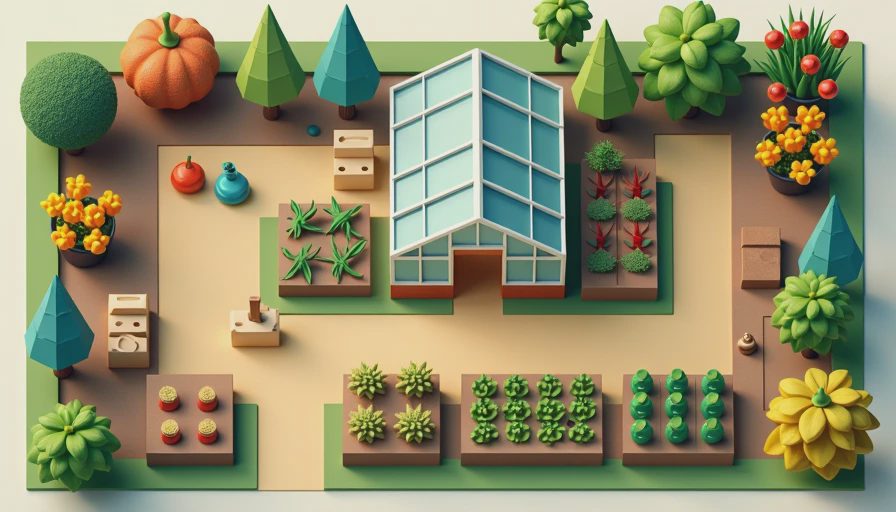
The interior has a fixed soil area, so you do not need an elaborate design to make it useful. Start by placing sprinklers before planting. Quality sprinklers cover eight surrounding tiles, while iridium sprinklers cover 24. Iridium sprinklers are wonderful later, but quality sprinklers are perfectly adequate while you are still building your farm.
Leave a walking path between groups of crops so harvesting does not become awkward. A practical early layout uses quality sprinklers in a grid, with crops filling the surrounding squares. The greenhouse also has a narrow border where fruit trees can grow. Plant them with enough clear space around each sapling, and do not place decorations, paths, or other objects in the way while they mature.
A shed full of kegs is not required on day one. If your goal is simple income, sell some fruit directly and process the rest as you gather enough machines. Turning ancient fruit into wine can create excellent profits, but it also creates a new routine involving kegs, casks, and storage. Build toward that system gradually instead of making the greenhouse feel like another chore.
How to make the building low stress
The best Stardew Valley greenhouse setup is one you can actually maintain. If you only have a few quality sprinklers, plant fewer crops and leave the remaining spaces open. An unfinished layout is not a failure; it gives you room to expand when your mining, farming, or crafting skills improve.
Check the building each morning, harvest only what is ready, and refill machines before heading into town. You can use a chest near the entrance for seeds, harvested crops, fertilizer, and spare tools. That small storage habit saves repeated trips back to your farmhouse and makes the greenhouse feel like part of your daily route.
If you are using sprinklers, you can ignore watering most plants entirely. This gives you more energy for fishing, skull cavern runs, woodcutting, or friendship visits. The building is especially valuable in winter because outdoor crops stop growing, but it can also support a stable routine throughout spring, summer, and fall.
Choosing crops for your goals
For steady money, combine repeat-harvest crops with processing machines. Ancient fruit, starfruit, cranberries, and blueberries all have different timing and workload patterns. A field of blueberries produces several berries from one plant, while cranberries offer multiple harvests after they mature. These crops are useful when you want dependable income without replanting every few days.
For cooking, keep a small selection of hot peppers, wheat, tomatoes, corn, and eggplant. You may not need many of each, but having them available prevents a future recipe or quest from forcing you to wait an entire season. Reserve one chest for these practical crops rather than selling everything immediately.
For gifts, fruit trees and a few seasonal favorites can save time. Pomegranates, apples, oranges, and peaches are useful to keep on hand when you are building friendships. The greenhouse lets you grow those trees without relying on one specific outdoor season, although the trees still need time to mature before producing fruit.
Common mistakes and an easy next step
A frequent mistake is waiting for a perfect crop plan before using the Stardew Valley greenhouse. Even ten plants can provide helpful food or income, and the building becomes more valuable as your farm develops. Another mistake is filling every tile with crops before you have enough sprinklers, which turns a helpful upgrade into a tiring watering job.
Do not forget that harvested crops can support several different goals. Some belong in the shipping bin, some should become seeds, and others are better saved for bundles, recipes, gifts, or quests. Labeling chests by purpose keeps your farm organized without requiring a complicated spreadsheet.
If you have just unlocked the Stardew Valley greenhouse, place the best sprinklers you own, plant a manageable group of repeat-harvest crops, and save one chest for future plans. Upgrade the layout when new sprinklers, seeds, or machines arrive. If you are feeling behind, start here: choose one reliable crop, establish a simple morning route, and let the building grow with you. The Stardew Valley greenhouse is most useful when it gives you freedom, not another perfect schedule to chase.


