The stardew valley seed maker can quietly change the way your farm grows. Instead of buying every seed from Pierre's shop or JojaMart, you can turn many harvested crops back into seeds and keep a useful planting cycle going. That saves money, protects rare crops, and gives you more control over each season. You do not need the perfect start—just a smoother one.
How to unlock the Seed Maker
The stardew valley seed maker becomes available when you reach Farming Level 9. That sounds distant during your first spring, but regular planting, watering, and harvesting will move you there naturally. You can also receive one as a reward for completing the Dye Bundle in the Community Center, although that route depends on the items you find and grow.
Once unlocked, crafting requires 25 Wood, 10 Coal, and 1 Gold Bar. Wood is usually easy to gather from farm debris and nearby trees. Coal can be more annoying early on, so avoid turning every piece into unnecessary torches. Gold Ore appears in the deeper levels of the Mines, generally after you have made steady progress past the early floors.
The best time to prepare is before a major harvest. Keep some wood, coal, and a gold bar in a chest rather than selling everything immediately. If you reach Farming Level 9 just as a field is ready, you can process the crop instead of waiting until the following season.
The stardew valley seed maker takes 20 in-game minutes to process one crop. Place a crop inside, wait for the machine to finish, and collect the resulting packet. You do not need to stand nearby, so several machines can work while you fish, mine, or visit town.
What the Seed Maker produces
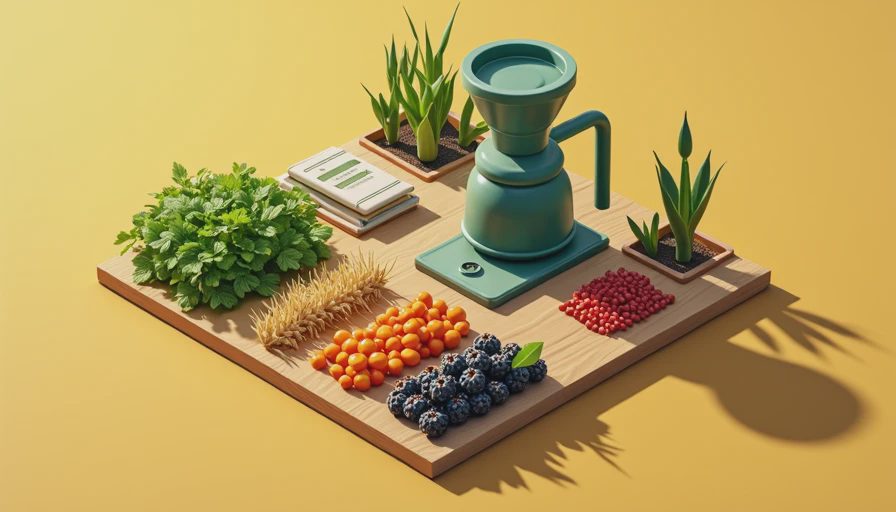
The stardew valley seed maker usually produces between one and three seed packets from a single crop. Most of the time, it gives two seeds, but the result is random. It can also produce Mixed Seeds, which grow into different seasonal crops, or Ancient Seeds when you process an eligible Ancient Fruit.
The machine does not accept every item. It works with most ordinary crops, including cauliflower, melon, pumpkin, blueberries, cranberries, strawberries, and Ancient Fruit. It does not process forage items, flowers in every situation, tree fruit, or artisan goods. If the machine rejects something, that is normal rather than a sign that your save is broken.
There is also a small chance of receiving Mixed Seeds instead of crop-specific seeds. That makes the machine useful, but not perfectly predictable. For this reason, I keep a few purchased seed packets as insurance before processing an entire harvest. A farm feels much better when one unlucky result cannot ruin the next planting day.
Which crops should you process?
Early in the game, use the stardew valley seed maker most often on crops that are expensive, slow to replace, or difficult to buy at the right time. Strawberries are a good example. They are sold at the Egg Festival, so turning a few strawberries into seeds helps expand your planting next spring. Keep enough berries for gifts, cooking, or preserves before feeding the rest into the machine.
Blueberries and cranberries are also useful because one planted seed produces multiple harvests. Processing them can keep your field supplied, although buying a larger starting batch is often simpler if you have the gold. For valuable single-harvest crops such as pumpkins and melons, save at least one strong harvest for future seeds. Giant crops do not guarantee more seeds, but their ordinary harvested crops can still be processed.
Ancient Fruit is the long-term favorite. Once you find an Ancient Seed artifact and grow the resulting plant, processing Ancient Fruit can slowly expand your greenhouse or Ginger Island field. The stardew valley seed maker may return Ancient Seeds, Mixed Seeds, or additional seed packets, so keep several fruit on hand and process them in batches rather than betting everything on one result.
A simple rule helps: do not process your entire harvest unless you already have food, gifts, bundles, or sale income covered. One chest row of backup crops is usually enough for a calm plan.

Building a reliable seed routine
The stardew valley seed maker works best as part of a small farm routine instead of a last-minute rescue. At the start of a season, plant purchased seeds first. This gives you predictable harvest timing. During the season, place extra crops into one chest labeled Seeds. When harvest day arrives, move only the surplus to your machines.
If you can afford the materials, crafting two or three machines is more comfortable than relying on one. A single machine processes crops slowly when a field contains dozens of plants. With three machines, you can load them in the morning, complete chores, and return later for another batch. More machines are not required, but they reduce the feeling that you are managing a factory.
Keep your seed machines near the farmhouse or crop fields. I like placing them beside a chest, with a small path in front so the machines are easy to click. This saves time on busy harvest mornings and makes the routine visible. You are less likely to forget useful seeds when the machine is standing beside the crops it supports.
Common mistakes to avoid
The biggest mistake is processing a crop before checking its other uses. A Community Center bundle, favorite gift, cooking recipe, or quest might need that item. Another common mistake is selling every expensive crop and then realizing you have no seeds for the next planting. Keep a few examples in a labeled chest until you know what your farm needs.
Do not assume every seed result is an upgrade. Mixed Seeds can be helpful when you have spare soil, but they are not a dependable replacement for planned crops. They might produce something you do not need, and they can be awkward late in a season. Use them in open spaces early enough for the plant to mature.
Finally, remember that the machine is not an urgent early-game objective. If you are still saving for a backpack upgrade, tool upgrade, barn, or stable, those goals can matter more. The stardew valley seed maker becomes powerful when you have surplus crops; it is not worth exhausting your farm budget to rush toward it.
A simple plan for your next season
On your next harvest day, set aside one crop for eating, gifting, bundles, or processing in a keg or preserves jar. Sell the remaining amount only after deciding how many plants you want next season. Then place the seed portion into the machine and store the finished packets in a seasonal chest.
For a first organized setup, aim for three machines, one backup chest, and a small planting reserve. Process valuable crops after you have secured your basic needs, and use purchased seeds to fill any gaps. If an unlucky result gives you Mixed Seeds, treat them as a bonus rather than a failure.
The stardew valley seed maker rewards patience more than complicated optimization. It can turn one successful field into the foundation for the next one, especially with strawberries, blueberries, cranberries, pumpkins, and Ancient Fruit. If you are feeling behind, start here: save a few crops, craft what you can, and build the routine one harvest at a time.


