A shed stardew players can use well becomes one of the most helpful buildings on the farm. It gives machines, chests, and crafting stations a home without taking over valuable crop space. If your farmhouse is filling with preserves jars or your outdoor paths are becoming a maze of kegs, a shed is usually the next calm, practical upgrade.
Robin builds the shed at the Carpenter's Shop for 15,000g and 300 wood. Construction takes two days, so choose a location before you place the order. The building has no seasonal production bonus by itself, but its indoor space lets you organize work around your routine instead of scattering equipment across the farm.
When should you build a shed?
The best time for a shed depends on your first-year goals. I would not rush one before you have reliable crops, a small reserve of gold, and the tools or seeds you actually need. Fifteen thousand gold is a meaningful early investment, especially if you are still buying backpack upgrades, a barn, or tool improvements.
A shed starts making sense when you have several machines that need regular attention. A few furnaces near the farmhouse are easy to manage, but ten preserves jars or a row of cheese presses can make the farm feel crowded. Placing those machines indoors also reduces the chance that weeds, grass, or accidental tool swings will disrupt your layout.
For many farms, late spring through fall of Year 1 is a comfortable target. You can also wait until Year 2 without falling behind. The building is most valuable when it solves a problem you already have, not when it becomes another project demanding resources.
What does a shed cost in Stardew Valley?
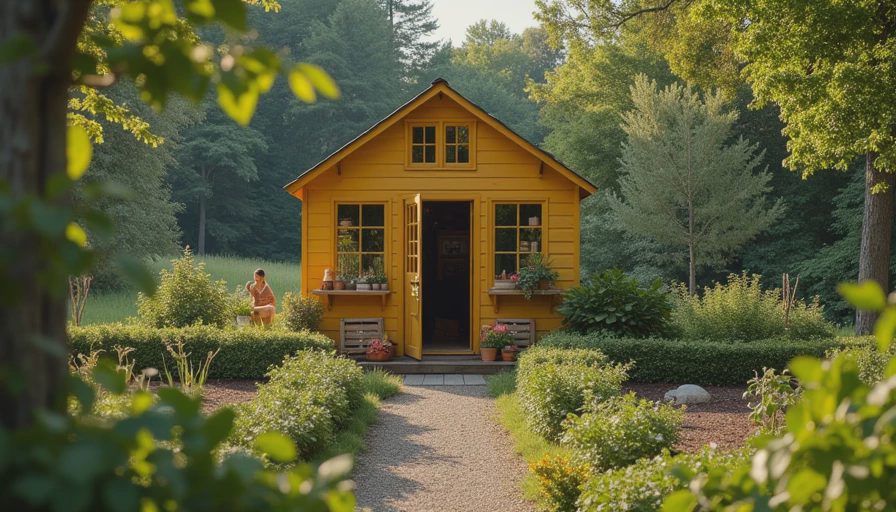
The standard shed requires 15,000g and 300 wood. Robin is the only carpenter who can build it, and the building process takes two days. You can place it on most open farm tiles, but leave enough room for an entrance path, nearby chests, and any future decorations.
After the building is complete, Robin can upgrade it to a Big Shed for 20,000g and 550 wood. The upgrade takes two days and doubles the interior floor space. You do not need to empty the original shed before upgrading, which makes the improvement much less stressful than moving every machine first.
The total cost for a standard shed followed by the upgrade is 35,000g and 850 wood. That is a substantial amount, but a well-filled production room can earn it back over time. Do not spend your last coins on construction. Keep money available for seeds, tool upgrades, animals, and emergency purchases such as hay.
Best ways to use a shed
The most common shed stardew players build is a processing room. Kegs turn fruit into wine and vegetables into juice, while preserves jars make jams and pickles. Cheese presses, mayo machines, looms, furnaces, and crystalariums can also live inside. Grouping machines by purpose makes daily collection much faster.
A simple setup might use one wall for kegs, one wall for preserves jars, and the center for a walking lane. Put a chest near the door for fruit, vegetables, hops, wheat, or other inputs. A second chest can hold finished goods waiting for sale. This prevents the familiar problem of carrying a finished item across the farm only to discover that the next machine needs the same ingredient.
You can also make a shed stardew storage room instead of a production room. Add color-coded chests for minerals, monster drops, seeds, fishing supplies, building materials, and artisan goods. Storage is especially useful before a house upgrade gives you more indoor space. Keep valuable or frequently used items close to the door, and place seasonal decorations toward the back.
Layout tips that save time
Leave a clear path from the door to every machine. A beautiful arrangement that forces you to walk around furniture will become irritating after a few in-game weeks. Rows are usually easier than tight clusters because you can refill and collect while moving in one direction.
Place chests beside the machines they serve. For example, a chest beside kegs can hold coffee beans, hops, wheat, and fruit. A chest beside furnaces can hold coal and ore. If you use a shed stardew players often recommend for kegs, remember that the room should support your actual crop plan rather than copy a layout designed for a different farm.
Decorations are useful when they help you navigate. Flooring can define lanes, while lamps, signs, and tables can mark sections. Avoid filling every empty tile with furniture. You want enough space to replace machines, check corners, and move comfortably when your production setup changes.
Should you upgrade to a Big Shed?
Upgrade when the first room is nearly full and you are still adding machines. A Big Shed is particularly helpful for ancient fruit wine, starfruit wine, crystalariums, or a large preserves operation. It gives you room to expand without building several small rooms across the farm.
The upgrade is not automatically better for every player. If you only use four machines and enjoy an open farm, save the wood and gold for a stable, house upgrade, or tool improvement. A large empty shed can feel less useful than a small room that matches your routine.
One practical approach is to fill the original building before upgrading. Track which machines you use most, then expand only when collection or refilling starts taking too long. You can always decorate the larger space later; production and easy movement matter first.
A gentle shed plan for your first farm
Start by choosing one job for the building. A mixed room is fine, but a clear purpose makes it easier to remember where everything belongs. Build a chest outside or just inside the door, then add machines in groups as you craft them.
During the first week, focus on wood collection and saving gold without neglecting crops. By the time Robin finishes construction, you should have enough input materials to use at least a few machines. If you build the room and leave it empty for a season, the investment will not help your daily schedule yet.
For a production-focused farm, begin with kegs or preserves jars and add a second row only after you can supply it. For an animal-focused farm, use the room for cheese presses, mayo machines, looms, and storage. For a relaxed farm, turn it into a workshop with chests, furnaces, and crafting stations.
A shed stardew players build in Year 1 does not need to be perfect. Its best feature is flexibility: you can move machines, change the floor, upgrade later, or give the room a completely new purpose. You do not need the perfect start—just a smoother one. Build when the space will solve a real problem, keep the path clear, and let the rest of your farm grow at its own pace.


