The stardew greenhouse is one of the most helpful upgrades in Stardew Valley, especially when winter arrives and your outdoor fields stop producing. It gives you a protected growing space where crops can grow in any season, which makes it easier to build steady income without rushing through every day. You do not need a perfect layout on your first try. A simple plan, a few quality sprinklers, and crops you can actually maintain will carry you a long way.
How to unlock the greenhouse
You can unlock the greenhouse by completing the Pantry bundles at the Community Center. This route asks you to grow and collect seasonal crops, so it rewards players who keep a small field active throughout spring, summer, and fall. The greenhouse is restored after the final Pantry bundle is turned in, and it becomes available on your farm the next morning.
The other route is purchasing the greenhouse repair through Joja Community Development. That choice costs money instead of requiring bundles, so it can suit a playthrough focused on mining, fishing, animals, or direct crop sales. Neither option is wrong. If you like collecting items and planning around seasons, the Community Center path feels satisfying. If you want fast infrastructure and fewer bundle requirements, Joja is more direct.
Before the building is ready, save a few useful seeds rather than selling every crop. Ancient Fruit, strawberries, blueberries, cranberries, and hops can all become important later. You can also place quality sprinklers in a chest nearby, so the first planting day is not spent reorganizing your entire farm.
Understanding the growing space
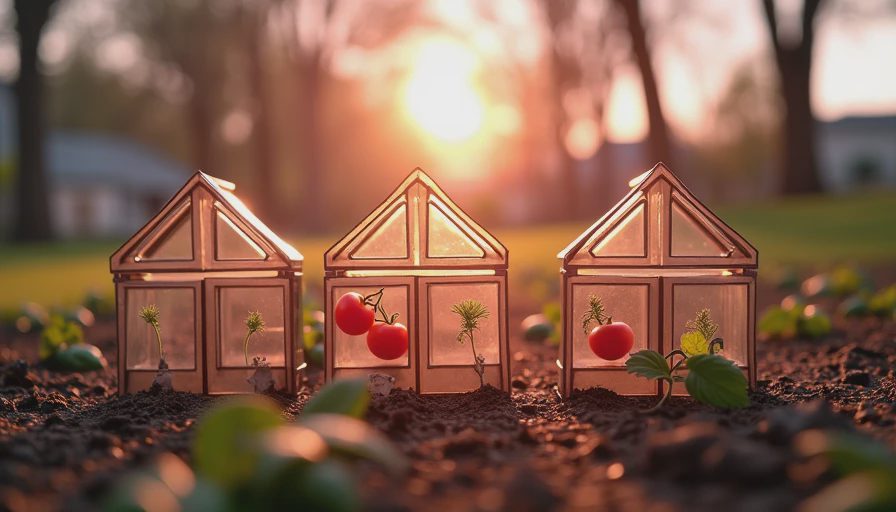
The stardew greenhouse has a central soil area with roughly 116 usable planting tiles. Crops inside are protected from seasonal changes, crows, and outdoor weather. That means a tomato planted in winter continues growing normally, while a blueberry can keep producing after summer ends. Fertilizer also works as usual, so you can use Quality Fertilizer when you want stronger harvest quality over time.
The building is more than a patch of indoor dirt. The outer border supports fruit trees, and mature trees can produce fruit even when the center is full of crops. Fruit trees need open spaces around them while they grow, so do not crowd their future locations with paths, machines, or decorative objects. Once mature, they are convenient daily harvests for gifts, bundles, cooking, and artisan products.
Trellis crops deserve special attention. Green beans, hops, and grapes cannot be walked through, so planting them in a dense arrangement can trap your character behind a row. Leave walking paths where you will need to collect crops, or keep trellis plants along the edges. A layout that produces slightly less but feels comfortable is usually better than one that turns every harvest into a frustrating obstacle course.
The best first layout
For a first stardew greenhouse layout, start with quality sprinklers instead of trying to fill every tile immediately. Iridium sprinklers are excellent because each one waters 24 surrounding tiles, while quality sprinklers cover eight. Four iridium sprinklers can handle most of the central planting area with very little daily work, although exact placement depends on whether you use the border for crops and machines.
If iridium is still far away, quality sprinklers are perfectly useful. Arrange them in a regular pattern, then plant around their watered squares. You can always remove and replace them later. A few empty tiles are not a failure; they give you room to walk, harvest, and change crops without destroying your routine.
A practical early layout might use blueberries or cranberries for repeated harvests, with a few open spaces for seasonal seeds and quest crops. Strawberries are also valuable if you saved seeds from the Egg Festival. Once you have a steady supply of kegs, Ancient Fruit becomes a strong long-term choice because it regrows and produces valuable wine. Starfruit can sell for more per fruit, but it requires repeated seed purchases from the Calico Desert and does not regrow.
Choosing profitable crops
The stardew greenhouse works best when you separate short-term money from long-term production. Coffee Beans, strawberries, blueberries, cranberries, and hot peppers provide repeat harvests. They are useful when you are building up funds and still checking the farm every morning. Hops can be especially valuable in kegs, though daily harvesting and the trellis shape make them more labor-intensive.
Ancient Fruit is a popular end goal because the plant continues producing after its first harvest. Put the fruit into kegs for wine when you have enough machines, then use casks in the cellar later if you want to improve the value further. Do not feel pressured to replace every crop immediately. A mixed greenhouse can provide cooking ingredients, gifts, energy food, and income at the same time.
If you are still in your first year, plant whatever seeds you can reliably obtain. A greenhouse filled with accessible crops is more useful than an empty room reserved for a future strategy. Your farm will grow alongside your resources.
Fruit trees, machines, and organization
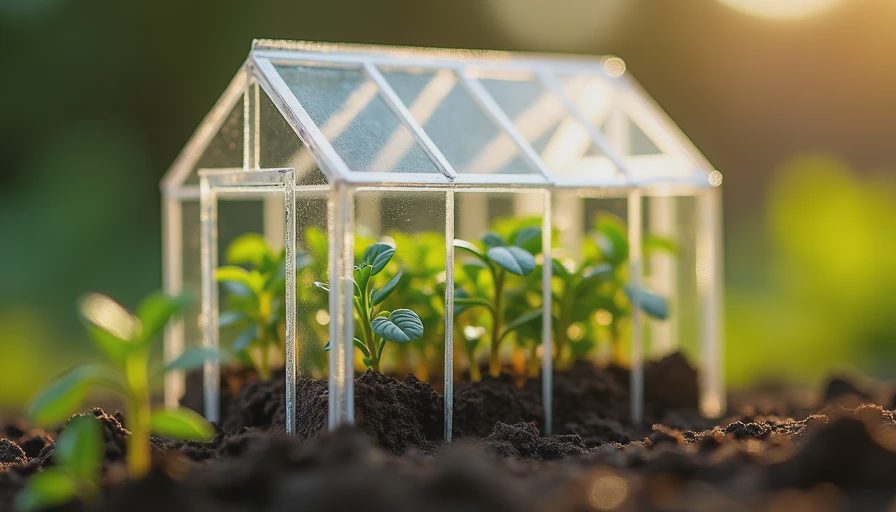
The stardew greenhouse can hold fruit trees around its outside edges, but placement matters before planting. Keep the surrounding eight tiles clear while each tree grows. Once mature, trees can be harvested without watering, making them one of the easiest sources of consistent produce. Apricots, peaches, pomegranates, and oranges are useful for gifts and artisan goods, while apples can help with certain Community Center bundles.
You can also place some machines inside, including kegs, preserves jars, and chests, but avoid blocking the paths you use for harvesting. I prefer keeping most processing machines in a shed or nearby farm area. The greenhouse then stays focused on plants, fruit trees, and easy movement. A chest by the entrance is useful for seeds, fertilizer, harvested crops, and spare tools.
Try grouping crops by purpose. Put repeated harvest crops together, leave a section for new seeds, and reserve a few plants for recipes or gifts. This small amount of organization saves time every morning and makes it easier to notice when something needs replanting.
A simple weekly routine
Visit the stardew greenhouse each morning, or every few days if your crops are not ready. Check for ripe produce, refill kegs or jars, and replant any single-harvest crops. Harvesting on the same day as a town visit can help you combine errands, but do not turn the building into another chore that makes the game feel like work.
During winter, the greenhouse becomes especially valuable because outdoor farming is limited. Use that season to expand your sprinkler coverage, gather seeds, improve your tools, and process stored crops. You can also use the extra time to plan the next outdoor season instead of scrambling on Spring 1.
You do not need the perfect start—just a smoother one. Begin with reliable sprinklers, choose crops that match your available machines, and leave yourself comfortable walking space. If you are feeling behind, start here: unlock the building, plant what you have, and improve the arrangement one small section at a time.


