
Stardew Valley co op turns a quiet farming game into a shared routine. One player can water crops while another fishes, mines, forages, or visits villagers. It is a lovely way to play with a partner, family member, or a few friends, but the first multiplayer day can feel busy. A little planning helps everyone enjoy the valley without turning a cozy game into a checklist.
How Stardew Valley co op works
In Stardew Valley co op, every player lives on the same farm and shares the main world. You can build cabins for additional farmers, invite friends to a hosted save, and work through many activities side by side or separately. Each player has an individual energy bar, skills, inventory, relationships, and tool upgrades. The farm, funds, shipping bin, community progress, and calendar are shared in important ways.
The host creates or loads the farm, while other players join that save. On a new farm, choose the number of starting cabins before beginning, or ask Robin to build more later. A cabin costs materials and money, so adding one after the first few days can delay an early upgrade. On PC, console, and other supported versions, the exact invitation process differs slightly, but the basic idea is the same: one person owns the save and needs to be online for the group to play.
A shared save also means time continues for everyone at once. If one player pauses to organize a chest, the others cannot casually stop the clock. Agree on a simple signal for bedtime, menus, and major decisions. That small habit prevents a surprising number of rushed nights.
Set up the farm for a smoother first day
Before planting every seed, decide how you want the farm to feel. A practical Stardew Valley co op layout leaves room for crop rows, paths, chests, machines, and future buildings. You do not need a perfect design. Clear walkways are more useful than an impressive screenshot during the first spring.
Place a few chests near the farmhouse, mines route, and fishing area. One chest can hold tools and spare food, another can hold forage and gifts, and a third can collect building materials. Color-coding chests is especially helpful when two or more players are moving quickly. It also prevents one person from taking the last stack of wood without realizing it.
On day one, clear only enough land for a small crop patch and movement. Planting 15 to 30 crops is manageable for a new group; planting every parsnip seed and then spending the entire morning watering can make the first week tiring. Keep some energy for gathering wood, meeting villagers, and exploring the southern exits from the farm.
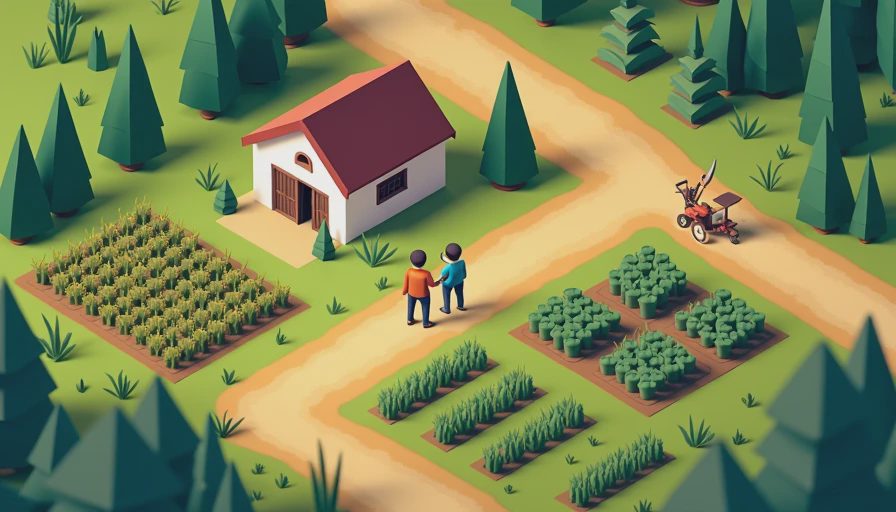
Divide chores without locking players into roles
The best Stardew Valley co op groups divide responsibilities loosely. One player might focus on crops and animals, while another fishes for early cash and a third explores the mines. Those roles do not need to be permanent. Swap whenever someone wants a change, especially because every skill rewards a different kind of play.
A useful first-week rhythm is simple. One player waters and checks the farm. Another gathers forage and wood. Someone with spare energy fishes at the mountain lake or beach. When the mines open, a player can make short runs for copper ore while another handles town errands. This approach creates several income streams instead of asking everyone to do the same task.
Remember that skills are personal. If one farmer reaches Farming level 2, the others do not automatically receive that experience. That is not a problem; it simply gives each player a reason to try different activities. Let the person who enjoys fishing keep the fishing rod, and let the person who likes planning crops handle the first sprinkler goals.
At the end of each day, spend two minutes checking the next morning. Discuss which crops need attention, who has the watering can, and whether someone needs food for the mines. A short conversation is easier than discovering at 7:00 a.m. that the only axe is being upgraded.
Handle money, tools, and major choices together
Money is shared in the standard Stardew Valley co op setup, so purchases affect the whole farm. A backpack upgrade, tool upgrade, barn, or festival purchase can be excellent, but buying several expensive items at once can leave everyone without seeds or food. Early on, keep a small emergency cushion rather than spending every coin before bed.
Tool upgrades deserve a quick conversation. Clint keeps a tool for a period of time, which can make watering, chopping, or mining awkward if the group has no backup plan. Upgrade the watering can on a day when rain is forecast, or when the crop area is small enough for another player to cover. Upgrade the pickaxe before a serious mining push if possible.
The farmhouse can also become a shared planning space. Put a calendar nearby, store extra food in an obvious chest, and avoid placing decorative furniture where it blocks movement. If the group disagrees about a building or farm project, choose a small trial first. A few preserves jars or a short crop row can show whether a plan works before you spend the entire budget.

Plan the first season around a few goals
A first spring in Stardew Valley co op does not need to complete every bundle or unlock every friendship. Choose two or three goals: earn enough for a tool upgrade, open the mines and reach a comfortable level, build a small crop routine, or complete a selection of Community Center rooms. Clear goals give the day shape without making missed items feel like failure.
Fishing is often the fastest way for one player to build cash, while crops provide steady work and future income. Foraging supplies useful food and items, and mining produces ore for upgrades and crafting. Combining these paths is more forgiving than relying on a single source of money.
Festivals are shared calendar events, but each player can make individual choices during them. Talk before buying expensive festival items or spending rare resources. Birthdays also matter separately because every farmer can build different friendships. If one player enjoys talking to villagers and another prefers the mines, both approaches fit naturally into the same save.
When the first season ends, look at what felt fun rather than only what produced the most gold. Maybe the farm has a small orchard, a messy fishing dock, or a chest system that needs improvement. That information is more valuable than forcing an ideal layout too early.
Common multiplayer problems and gentle fixes
If a player cannot join, confirm that the host is loading the correct save and that the farm has an available cabin. Platform accounts, online subscriptions, local network settings, and version compatibility can affect connection options. Restarting the game and checking the platform’s multiplayer permissions often solves basic problems before you need a more complicated fix.
If one player feels left behind, create a shared job for the next day. Harvest together, visit the mines together, or take a short fishing trip. Stardew Valley co op works best when players have both independent time and moments that feel cooperative. Nobody should need to match the fastest player’s pace every day.
If the farm becomes cluttered, do not restart immediately. Spend one in-game morning moving chests, clearing paths, and marking a future building area. If money is tight, sell a modest amount of stored forage or fish, then rebuild the routine gradually. A messy first year is recoverable, and many good farms begin as a collection of awkward decisions.
Stardew Valley co op is at its best when progress supports the conversation rather than replacing it. Decide who handles the next chore, leave room for wandering, and let the valley surprise you. You do not need the perfect start—just a smoother one.


