
You don’t need the perfect start—just a smoother one.
Spring Year 1 in Stardew Valley is full of good intentions. You want to clear the whole farm, plant every seed, meet everyone in town, and make real progress before the season ends. Most of the common early mistakes come from exactly that feeling—trying to do too much, too fast, with a limited energy bar.
This guide walks through the mistakes that show up most often in the first season, why they happen, and the gentler alternative that usually feels better. None of these are permanent failures. Every one of them can be softened or fixed as you go.
1. Clearing too much land too soon
What it looks like: Spending the first several days chopping, digging, and breaking rocks across large sections of the farm until your energy is gone and very little is actually planted or watered.
Why it happens: The overgrown farm feels like a problem that needs solving immediately.
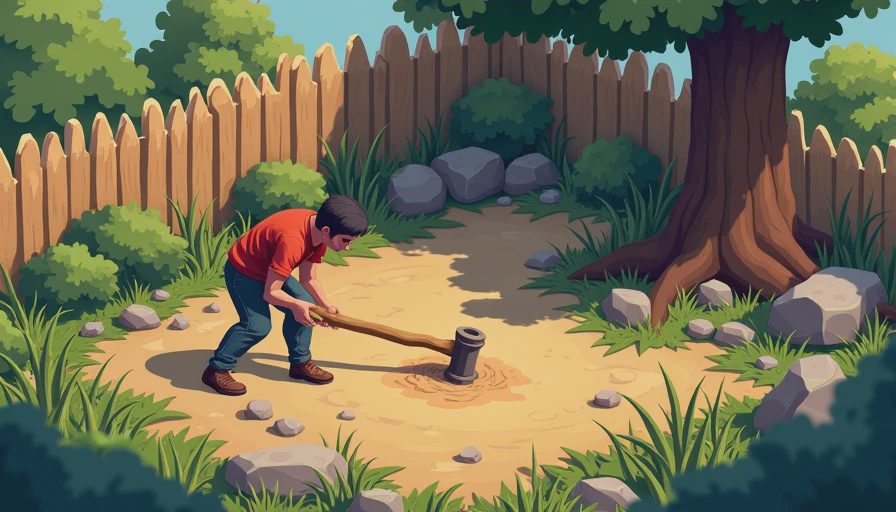
A smoother approach: Clear only what you need for the next small plot of crops. Leave the rest. The debris isn’t going anywhere, and your energy is more valuable on watering, foraging, and a little exploration. You can clear more later when your tools are better and your daily rhythm is steady.
2. Planting more than you can water
What it looks like: A big, hopeful field of crops that starts strong and then slowly dries out because watering takes more energy than you have left each day.
Why it happens: Empty soil feels like wasted potential.
A smoother approach: Plant only what you can comfortably water with your current can and energy. A smaller, fully tended plot almost always earns more and feels better than a large stressed one. Expand only when watering stops feeling like a chore.
3. Ignoring forage while focusing only on the farm
What it looks like: Staying on the farm all day and missing the spring onions, leeks, dandelions, and other wild items that appear around the valley.
Why it happens: The farm feels like the “real” work.
A smoother approach: Make a short forage loop part of your day—on the way to town, the beach, or the mountains. Early forage is free money, free energy recovery, and easy progress toward bundles. It also gets you out of the house so the valley starts to feel familiar.
4. Trying to befriend everyone at once
What it looks like: Running around town every day trying to talk to and gift as many villagers as possible, then feeling behind when hearts barely move.
Why it happens: The social side of the game looks important and time-sensitive.
A smoother approach: Pick two or three villagers whose gifts are easy to find and whose company feels natural. A couple of thoughtful interactions each week is enough. Relationships grow steadily without turning social time into a second full-time job.
5. Staying up until 2 a.m. (or passing out)
What it looks like: Pushing every last bit of energy into one more task and either collapsing or dragging into the next day already tired.
Why it happens: It feels like wasted time to go to bed “early” when there’s still light and energy left.
A smoother approach: Treat sleep as progress. Going to bed with a little energy left usually sets you up for a stronger next day. Passing out costs money and leaves you starting behind. A slightly shorter day that you finish cleanly is almost always better.
6. Spending gold the moment you get it
What it looks like: Buying every available seed, decorative item, or impulse upgrade as soon as the shipping bin pays out.
Why it happens: Early gold feels scarce and exciting to spend.
A smoother approach: Keep a small buffer. Prioritize the backpack upgrade, key tool improvements, and seeds you can actually manage. Decorative purchases and big experimental buys are more fun once the daily basics are covered.
7. Treating the Community Center like an urgent checklist
What it looks like: Stressing over bundles that require items you won’t naturally have for weeks (or seasons) and feeling behind when they stay incomplete.
Why it happens: The Community Center looks like the main story, so it feels important to finish quickly.
A smoother approach: Work on the bundles that match what you’re already growing, foraging, or finding. Leave the rest for later seasons. Progress still counts when it’s slow and natural.

If you’ve already made some of these mistakes
That’s completely normal. Almost everyone does.
Over-cleared land can just sit there until you’re ready.
Over-planted fields can be watered as best you can; the rest is a lesson for the next crop cycle.
Missed forage and social opportunities will come around again.
Gold spent early can be earned back with a steadier rhythm.
Nothing in Spring Year 1 is permanent. The season is short on purpose. The game gives you room to adjust.
You don’t need the perfect start—just a smoother one.
If this Spring ends with a farm you can still manage, a little money in the jar, and the feeling that you understand the rhythm better than you did on Day 1, you’ve already turned the most common mistakes into useful experience. That’s exactly how a strong Year 1 actually begins.
When you’re ready for the next stretch—how to recover a rocky Spring, what to focus on in Summer, or keeping the whole first year feeling calm—we’ll walk through it together, one steady step at a time.


