A stardew planner can turn the first year in Stardew Valley from a blur of missed crops and forgotten birthdays into a gentle rhythm you can actually enjoy. You do not need to map every minute or follow an “optimal” route. A useful plan simply answers three questions: what matters this season, what should happen today, and what can safely wait.
I like planning Stardew Valley with a notebook beside my keyboard because the game has many small goals competing for attention. The Community Center asks for items, the farm needs clearing, villagers have schedules, and your energy disappears quickly in spring. A few notes reduce that mental clutter without taking away the pleasant surprise of exploring.
What to Put in Your Stardew Planner First
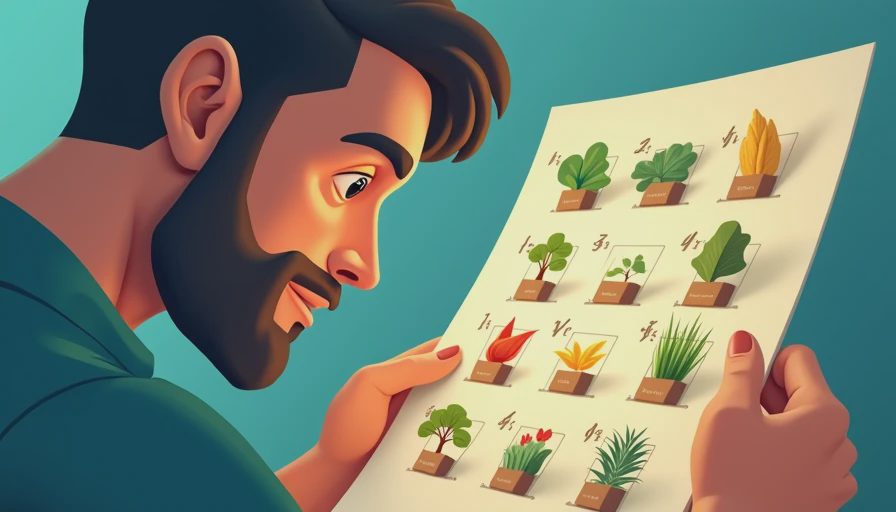
Start with four broad pages: seasonal crops, important collections, farm projects, and personal goals. Do not fill them with every item in the game. During spring, a short crop list might include parsnips, potatoes, cauliflower, green beans, and strawberries. Add the crops you want for cooking or bundles, but leave room for experimentation.
Your collections page can track Community Center bundles, museum donations, and items needed for tool upgrades. This is especially helpful for things that appear only in particular seasons, such as spring forage or summer fish. Write the season beside each item, then circle anything that is easy to miss. That small mark can save you from waiting almost an entire in-game year.
Farm projects deserve their own space because they expand over time. You might write “clear south field,” “build two coops,” or “plant an oak tree near the path.” Breaking a large dream farm into visible steps makes progress feel real. If you are using a stardew planner for the first time, keep this page deliberately short. Five active projects are plenty.
A Simple Seasonal Planning Method
At the start of each season, spend one in-game morning reviewing your notes. Check the calendar, look at the weather forecast, and decide which crops fit your available time and money. You can make good progress without buying every possible seed. A smaller field is often easier to water, harvest, and replant than an ambitious patch that drains your energy every morning.
Reserve a little space for crops with different harvest schedules. Fast crops provide early cash, while repeat-harvest crops reduce replanting work. In spring, strawberries are valuable after the Egg Festival, but they are not required for a successful first year. If money is tight, plant what you can maintain and use fishing, foraging, or mining to balance your income.
A stardew planner also works well for seasonal reminders. Write “check traveling cart,” “look for salmonberries,” and “visit the beach after rain.” These are not strict appointments. They are gentle prompts that keep useful opportunities from disappearing behind farm chores. At the end of the season, note what worked and erase what did not.
Planning Your Daily Energy
The best daily plan starts with energy, not ambition. Before leaving the farmhouse, decide whether the day is for watering, mining, fishing, errands, or farm construction. Trying to complete all five usually produces a tired character, a half-finished task, and a late walk home.
On a normal farming day, water crops first, collect animal products, and handle one focused project. If the weather is rainy, use that saved watering time for the mines, fishing, or tool upgrades. If the television predicts rain tomorrow, consider upgrading your watering can today, provided the timing will not leave crops unattended for several days.
Keep a few reliable food items in your inventory. Field snacks, salmonberries, cheese, and cooked meals can extend a work session, but you do not need to empty your pantry every morning. Your stardew planner can include a tiny note such as “carry food on mine days” or “bring wood before visiting Robin.” These reminders are more useful than a rigid hour-by-hour schedule.
Community Center Goals Without the Panic
The Community Center is easier when you treat it as a seasonal collection project rather than a daily emergency. At the beginning of each season, check which crops, fish, forage, and artisan goods are possible. Save one of each useful item before selling the rest, especially when an item has a narrow appearance window.
Create a “save first” chest near your farmhouse. Label it by purpose, such as bundles, gifts, mining, or crafting. This prevents the familiar mistake of selling a needed item because you forgot where it belonged. Quality crops are worth saving when a bundle requests them, while ordinary crops can usually support your early income.
Some bundle items are difficult to predict, so do not punish yourself for missing one. The traveling cart can occasionally provide help, and later seasons bring new options. A stardew planner should lower pressure, not turn every missed fish into a disaster. Record the missing item, its season, and a likely location, then return to your regular routine.
Farm Layouts and Upgrade Priorities
You do not need a final farm layout in year one. Leave space around buildings and avoid placing every path permanently until you understand how you like to move. A temporary field near the farmhouse is practical because it shortens morning chores. Chests beside the barn, coop, mine entrance, and fishing spots can also save surprising amounts of walking.
For upgrades, consider the bottleneck you notice most often. A tool upgrade can make a specific task easier, while a backpack upgrade gives you more flexibility everywhere. A silo is important before cutting large amounts of grass for animals, and a stable is useful once you genuinely want a horse rather than simply wanting another building.
Use your stardew planner to connect upgrades with materials and money. Write the target, the required resources, and the best time to visit Robin. For example, “steel axe after rainy day” is more actionable than “upgrade tools soon.” This kind of note turns a vague goal into a decision you can make when the opportunity appears.
Relationships, Birthdays, and Town Life
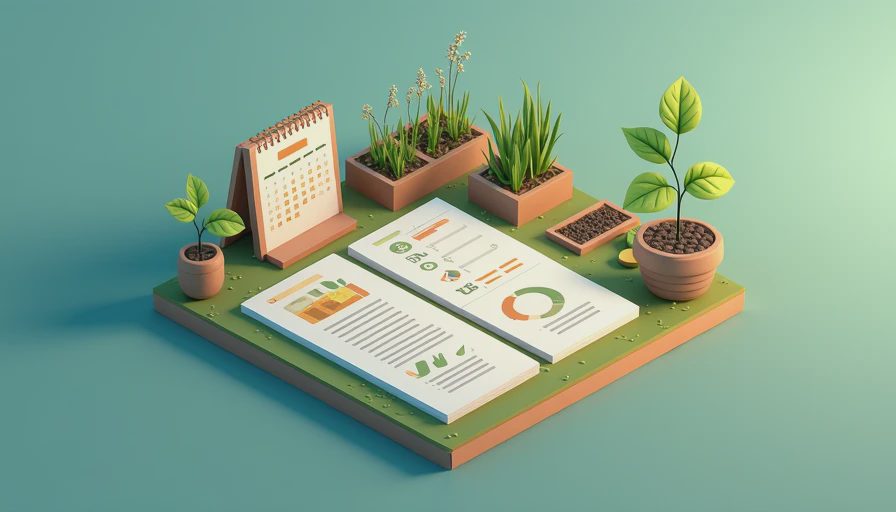
Friendship does not need to become a second job. Pick a few villagers you naturally enjoy visiting, then learn their schedules gradually. A stardew planner can track birthdays and favorite gifts, but you do not have to give everyone a present every week. Even a simple birthday reminder prevents the most painful missed opportunities.
Keep common gift items in a labeled chest. Flowers, fruit, gems, cooked meals, and forage can cover many early relationships. Pay attention to dialogue because villagers often mention what they like, where they go, or what they need. The social side of the valley feels warmer when it grows from ordinary errands instead of a checklist.
Write down festivals at the start of each season and leave the day flexible. Festivals interrupt normal routines, but they also offer unique activities and chances to talk with neighbors. If you miss a conversation or forget a gift, there will be another ordinary day. A stardew planner should help you notice town life, not make you rush through it.
A Weekly Reset That Keeps Planning Fun
At the end of each in-game week, spend a minute reviewing your notes. Cross out completed projects, move unfinished tasks to the next sensible season, and record one thing you want to try. That might be reaching a new mine level, planting a small orchard, learning a recipe, or simply fishing at the mountain lake.
A good stardew planner changes as your farm changes. Early notes might focus on seeds and energy, while later pages track kegs, animals, friendships, and building materials. Do not copy someone else’s perfect spreadsheet if it makes you feel behind. Use the smallest system that helps you remember what matters.
You do not need the perfect start—just a smoother one. Plan the season, choose one main task each day, and let the valley surprise you around the edges. If a storm ruins your schedule or a crop choice turns out poorly, that is part of the story. Tomorrow still gives you another morning, another cup of coffee, and another chance to make the farm feel like yours.


