The greenhouse is one of the most useful buildings you can unlock in Stardew Valley. If you are searching for greenhouse stardew advice, you probably want to know three things: how to repair it, what to plant first, and how to arrange the space without wasting valuable tiles. The good news is that you do not need a perfect farm or a complicated spreadsheet. A simple plan can turn this small room into a reliable source of crops, gifts, and steady income in every season.
How to unlock the greenhouse
There are two main ways to restore the greenhouse. The standard route is completing the Pantry bundles in the Community Center. These bundles ask for seasonal crops, quality crops, animal products, artisan goods, and other farm materials. You do not need to finish every bundle in the building, only the Pantry section. Once the final Pantry bundle is complete, the Junimos repair the greenhouse overnight.
If you choose the Joja membership route, you can purchase the Greenhouse development through the Joja Community Development Form. This costs a substantial amount of money, so it suits a farm that is already earning consistently. The Community Center route is often friendlier for a first playthrough because it encourages you to grow a variety of crops and use several parts of the valley.
For greenhouse stardew planning, do not rush by selling every item needed for bundles. Keep a chest near your farmhouse labeled “Community Center.” Save at least one of unusual crops, quality crops, eggs, milk, and artisan products when possible. A little storage discipline prevents the frustrating moment when you realize you sold the only item you needed.
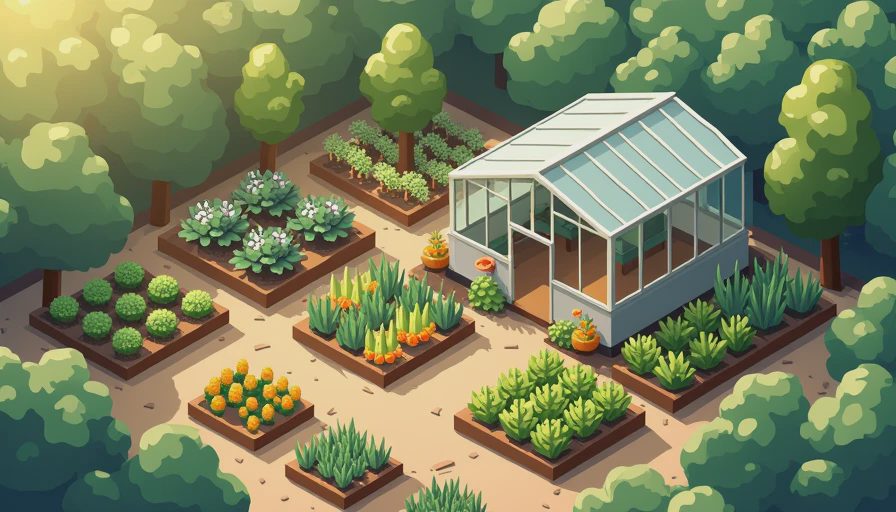
The greenhouse becomes available after the repair cutscene, usually the following morning. It contains a rectangular indoor planting area, a small water trough, and a surrounding border where trees can eventually grow. Crops inside are protected from seasonal changes, although they still need watering unless you use sprinklers.
What to plant first
Your first greenhouse crop should usually be something that produces repeatedly. Strawberries, blueberries, cranberries, ancient fruit, and coffee beans can all provide several harvests, but they do not all have the same value or growth pattern. A mixed planting is perfectly fine while you are building up seeds. You do not need to wait for a full field of ancient fruit before the room becomes useful.
If you have saved Strawberry Seeds from the Egg Festival, plant them as soon as the greenhouse is ready. Strawberries take eight days to mature and then produce every four days. They are especially helpful early in Year 2, when a new greenhouse can feel empty and expensive to fill. Blueberries and cranberries are also comfortable starter choices because one planting continues producing for part of the season outside, then keeps producing indoors.
Ancient Fruit becomes a strong long-term option once you have enough seeds. The plant takes 28 days to mature and then produces fruit every seven days. Its harvest can be placed in a keg to make Ancient Fruit Wine, which is one of the more valuable artisan products in the game. That setup takes time, though. Planting a few reliable crops now is better than leaving half the room empty while waiting for an ideal plan.
A practical first layout might use half the available tiles for repeat-harvest crops, one quarter for seeds you are testing, and the rest for future expansion. If you enjoy cooking, keep room for hot peppers, tomatoes, wheat, or other ingredients you use often. Profit matters, but so does having the ingredients that make your daily routine easier.
Sprinklers and a simple layout
Quality Sprinklers are usually the first major upgrade for a greenhouse stardew layout. Each Quality Sprinkler waters eight surrounding tiles, while an Iridium Sprinkler waters 24. Place sprinklers before planting so you can see their coverage and avoid blocking yourself between mature crops. Iridium Sprinklers are excellent, but a greenhouse filled with Quality Sprinklers can still run smoothly for a long time.
Many players use four Iridium Sprinklers in the central planting area, with additional sprinklers along the edges if needed. Others prefer pressure nozzles or carefully arranged Quality Sprinklers to use nearly every tile. There is no single correct design. The best layout is one you can walk through easily, harvest without awkward corners, and adjust when your goals change.
Leave access paths between sections rather than packing every tile immediately. A one-tile path can save time when you are harvesting dozens of crops. Use the border for fruit trees; trees can grow there when their surrounding tiles are clear. Fruit trees do not need to be watered, and they produce fruit in every season once mature, making them a quiet long-term investment.
Fruit trees, tools, and daily routine
Fruit trees are easy to overlook when you first search for greenhouse stardew layouts, but they are useful for bundles, gifts, cooking, and artisan goods. Plant each sapling with enough empty space around it while it grows. Once mature, the tree can produce fruit every day during its normal outdoor season. Inside the greenhouse, it produces year-round.
A good routine is simple. Enter with your watering can only if your sprinklers do not cover everything. Harvest ready crops first, then check fruit trees, collect any nearby items, and reload kegs or preserves jars. If you process crops, keep a chest just outside the greenhouse with spare seeds, fertilizer, and the materials you use most. This removes unnecessary trips to the farmhouse.
The greenhouse is also an excellent place for crops that would otherwise be forgotten between seasons. Plant a few hot peppers for gifts, coffee beans for speed drinks, or wheat for cooking and brewing. You can reserve a small corner for experimental crops without disrupting your main income plan.
Common mistakes to avoid
The biggest greenhouse stardew mistake is planting before deciding how you will water. Manually watering a full room can consume a large part of the day, especially after you have added kegs, animals, or mining trips. Place sprinklers first, even if the early layout looks unfinished.
Another mistake is using every tile for low-value crops and then having no room for fruit trees or specialty plants. You can remove crops with an axe, but that destroys the plant and any future harvests. Leave a little flexibility until you know how you want the farm to earn money.
Do not feel pressured to fill the room on its first day. Ten healthy plants and a few Quality Sprinklers are more useful than a crowded room that makes you dread harvesting. Upgrade gradually as seeds, sprinklers, and processing machines become available.
A calm upgrade path
For most farms, the easiest greenhouse stardew progression looks like this: repair the building, place basic sprinklers, plant repeat-harvest crops, add fruit trees, then move toward Ancient Fruit or another long-term money crop. Build kegs as Oak Resin becomes available, but do not sacrifice every other farm project just to process one harvest.
If you are still in Year 1, focus on bundle items and dependable crops. In Year 2, use the greenhouse to smooth out seasonal income and support tool upgrades, house improvements, or animals. Later, you can specialize in wine, gifts, cooking ingredients, or a decorative garden.
The greenhouse is powerful because it gives your farm a steady rhythm rather than one perfect answer. Check it when you start the day, harvest what is ready, and let the rest grow while you explore. You do not need the perfect start—just a smoother one.


