You don’t need the perfect start—just a smoother one.
By the time you’ve settled into Coral Island, the first harvests are behind you, the town feels a little more familiar, and you’ve probably made your first real upgrades—better tools, a bit more bag space, or the early farm improvements. The early scramble has eased. Now the question becomes: what should you actually focus on next so progress stays steady instead of scattered?
This guide offers a calm, practical upgrade order for the midgame. It’s not the only way to play, and it’s not about perfect efficiency. It’s about choosing improvements that reduce daily friction and open the next comfortable layer of the game without burning you out.
What “steady midgame progress” looks like here
We’re aiming for:
A farm and daily routine that still feel manageable
Reliable income that doesn’t require perfect days
Upgrades that save real time and energy
Gentle progress on town requests, relationships, and exploration
Enough leftover interest to keep the island feeling fun
We’re building momentum, not racing a checklist.
First: Make sure the foundation still feels good
Before spending heavily on the next big thing, check in with your current setup.
Quiet questions to ask:
Can you water and harvest without ending most days exhausted?
Is your storage and pathing still reasonable, or are you constantly backtracking?
Are basic needs (food, energy, simple income) covered most days?
If anything feels messy, tidy that first. A smoother foundation makes every later upgrade more enjoyable.
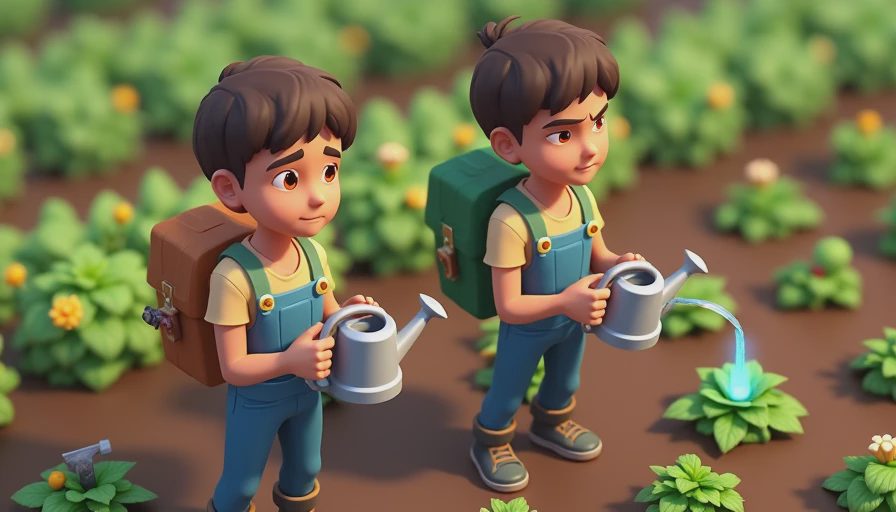
A calm midgame upgrade order
Once the basics are steady, this sequence tends to feel natural for most players who want comfortable progress:
1. Quality-of-life tools and inventory
Better tools (especially watering and clearing) and more bag space remove daily friction faster than almost anything else. These upgrades make every other activity easier.
2. Reliable production upgrades
Expand crops only as far as you can comfortably maintain, then look at the next layer of farming support—things that help with watering, processing, or consistent harvests. A modest, well-supported farm usually outperforms a large stressed one.
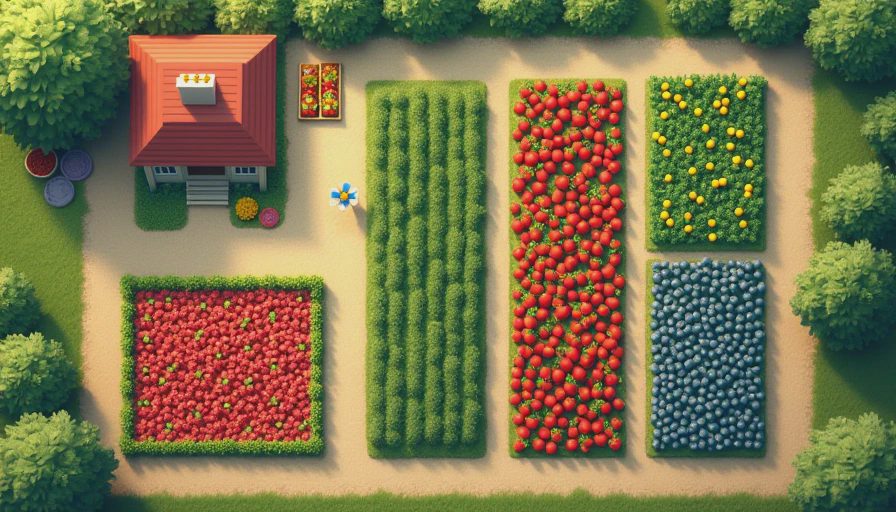
3. Early animal or specialty production (when you’re ready)
Once crops and tools feel solid, adding a small animal setup or the next processing step can smooth out income. Start small so care routines stay pleasant.
4. Exploration and resource support
Improved diving gear, mining readiness, or movement upgrades become much more useful once the farm isn’t taking all your energy. Treat these as the next comfortable layer rather than an emergency.
5. House and town-progress upgrades
House expansions, better storage solutions, and progress toward town or community goals fit naturally once daily life is under control. These feel rewarding instead of stressful when the rest of the island is already running smoothly.
You don’t have to finish one category completely before touching the next. Just let the order guide your spending so you’re not pulling in five directions at once.
A gentle weekly rhythm for this stage
With an upgrade focus in mind, the week can settle into something like this:
Mornings: Farm care and any time-sensitive work.
Midday: One focused goal—saving for the next upgrade, a short diving or mining session, or town requests that match what you’re already doing.
Afternoons: Forage, light social time, or small farm improvements.
Evenings: Ship, check what’s coming up on the calendar, and rest while you still have energy.
This keeps progress moving without turning every day into a marathon.
Money and timing without pressure
In midgame, gold comes in more regularly, but the best upgrades are still the ones that save time or open the next enjoyable system.
Generally worth prioritizing:
Tools and inventory that you feel the lack of every day
Production support that matches the crops or resources you already have
One exploration upgrade when the farm feels stable
Safe to wait on:
Purely decorative purchases
Large expansions you can’t yet maintain
Systems that require more resources or energy than you currently have to spare
Relationships and town progress at a human pace
You don’t need to max every heart or finish every request immediately. Focus on the townspeople whose company feels natural and the requests that match what you’re already producing. A few thoughtful interactions each week are enough to keep relationships and town progress moving.
Common midgame traps (and how to step around them)
Upgrading in every direction at once. Spreading gold and energy thin usually slows overall progress.
Expanding the farm faster than your tools and energy can handle. More land is only helpful if the daily routine stays pleasant.
Pushing deep exploration before the farm is steady. Diving and mining are more fun (and more rewarding) when you’re not already drained.
Comparing your island to perfectly optimized online saves. Your version only needs to work for the way you actually play.
You don’t need the perfect start—just a smoother one.
If this stage leaves you with a farm that feels easier to run, a clear next upgrade or two on the horizon, and the sense that the island is opening up at a comfortable pace, you’re right where you need to be. Midgame is meant to feel like the game expanding with you, not like the pressure increasing.
When you’re ready for the next stretch—specific money routes, deeper diving priorities, or how to keep the seasons feeling calm—we’ll walk through it together, one steady step at a time.

