You don’t need the perfect start—just a smoother one.
Sun Haven’s skill system opens up a lot of possibilities early on—farming, exploring, combat, crafting, and more. It’s exciting, but it can also feel like you should be leveling everything at once. A lot of first-time players spread their focus too thin and end up with a handful of low-level skills instead of a few that actually make daily life easier.
This guide keeps the early skill choices simple and practical. We’ll look at which skills give the most comfortable support in the first stretch of a playthrough, so you can build momentum without the pressure of perfect optimization.
What a smooth early skill approach looks like
We’re aiming for:
A small number of skills that reduce daily friction
Steady progress that supports farming, exploration, and basic income
Enough flexibility to follow what feels fun without falling behind
Clear next steps so you’re never wondering what to level next
You don’t need to max any skill tree in the first season. You just need a foundation that makes the rest of the game feel more pleasant.
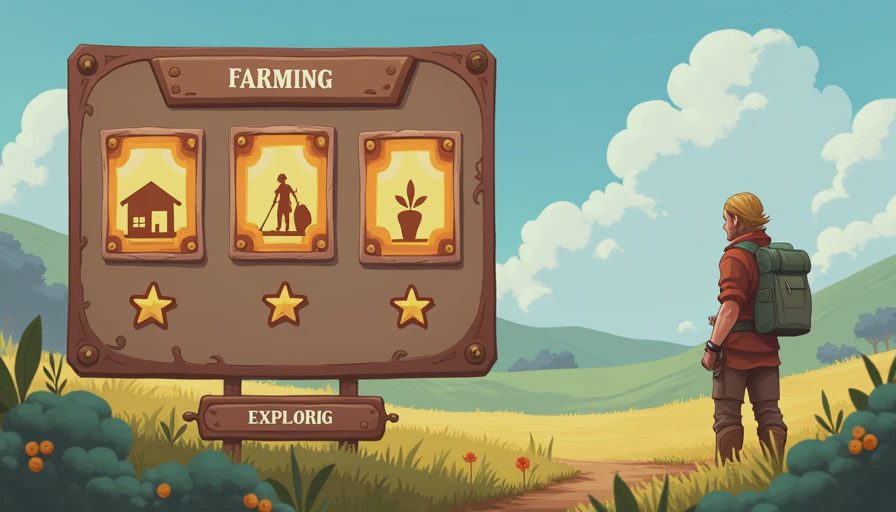
Early skills that quietly make everything easier
In the beginning, favor skills that help with the things you do every day: growing crops, moving around, gathering resources, and staying fed and safe.
Strong early directions tend to include:
Farming support – Anything that improves crop care, yields, or related tools. These skills pay off every single day you water and harvest.
Gathering and foraging – Skills that help you find more resources while you walk the island. They turn ordinary movement into quiet progress.
Basic exploration or movement – Small improvements that make getting around less tiring and open nearby areas more comfortably.
Simple combat readiness – Just enough to handle early threats without turning every outing into a struggle.
Pick two or three of these lanes to focus on first. Let the others grow naturally through regular play rather than forcing them.
A calm way to level without spreading yourself thin
Instead of trying to touch every skill every day, give each play session a gentle focus:
Some days are farming-heavy—level the skills that support your crops and tools.
Some days include a short exploration walk—let gathering and movement skills tick up.
When you have leftover energy, spend a little time on the skill that feels most useful right now.
This keeps progress steady and prevents the feeling that you’re falling behind in five places at once.
How skills support money and daily rhythm
Early skills shine when they make your existing routine more rewarding:
Better farming skills mean more reliable harvests and less wasted energy.
Gathering skills turn forage and resource runs into meaningful support for both gold and crafting.
Movement and exploration skills help you reach shops, requests, and new areas without draining the whole day.
You don’t need high-level skills to make money. You just need the ones that make your current activities feel more productive and less tiring.
When to branch out
Once your core early skills feel comfortable (you notice the benefits in daily play), you can gently open the next layer:
Deeper crafting or processing skills
More specialized combat or exploration paths
Social or town-related improvements if they fit your play style
There’s no rush. The game stays enjoyable when new skills arrive as natural next steps rather than urgent requirements.
Common early skill traps (and how to step around them)
Trying to level every tree at once. Spreading focus usually slows overall comfort.
Ignoring farming skills because exploration looks more exciting. The farm is still the steady heart of most days.
Saving all skill points for a “perfect” later build. Early points spent on daily quality-of-life feel better than points left unused.
Comparing your skill levels to fully optimized endgame guides. Your first playthrough only needs skills that support the way you’re actually playing right now.
You don’t need the perfect start—just a smoother one.
If the first stretch of your playthrough leaves you with a few skills that noticeably make farming, gathering, and moving around easier, you’re already on a good path. Sun Haven rewards steady, intentional growth more than perfect spreads.
When you’re ready for the next stretch—midgame skill priorities, how skills pair with specific activities, or keeping the overall pace feeling calm—we’ll walk through it together, one steady step at a time.


