You don’t need the perfect start—just a smoother one.
Farming is the quiet heart of Coral Island. It’s how most players settle into the island’s rhythm, earn their first steady income, and start feeling at home. But in the early days it’s easy to over-plant, under-water, or scatter your energy so widely that the farm starts to feel like a chore instead of a comfort.
This guide keeps early farming simple and sustainable. We’ll look at reliable early crops, gentle ways to make money from the land, and a daily rhythm that leaves you with energy to enjoy the rest of the island.
What a calm early farming approach looks like
We’re aiming for:
A crop area you can actually maintain most days
Steady, low-stress income from harvests and simple processing
A daily loop that feels predictable rather than overwhelming
Room to grow the farm only as your tools and energy improve
You don’t need a huge, perfectly optimized layout in the first season. You just need a foundation that works.
Early crops that feel good to grow
In the beginning, favor crops that match your current watering ability and give reliable returns without constant replanting pressure.
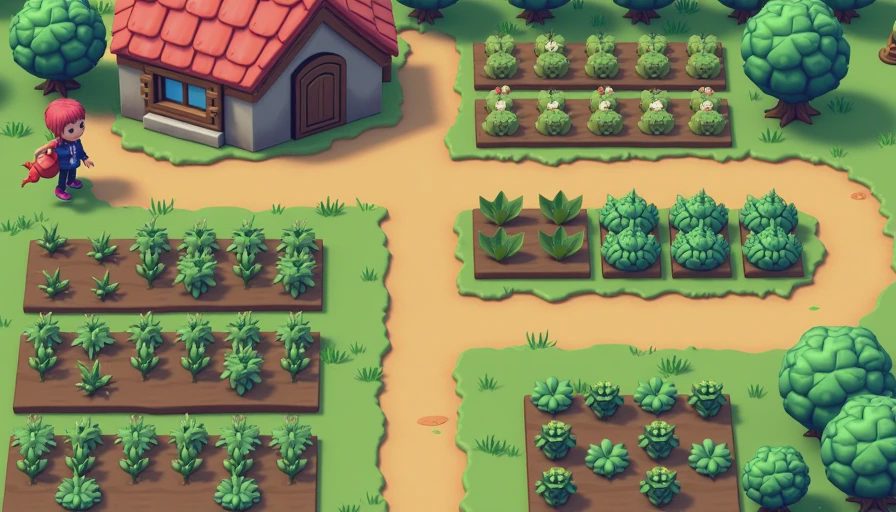
Strong early options tend to share a few traits:
Reasonable grow times so you see progress
Decent value for the energy they cost
Usefulness beyond pure gold (cooking, gifts, or requests)
Start with a modest mix: a few faster crops for quick cash and a couple of higher-value ones you can look forward to. Expand the plot only when watering still feels comfortable.
As the season goes on, lean into any multi-harvest or repeatable crops you unlock—they reward consistency more than perfection and reduce the pressure to replant every few days.
Making money without turning the farm into a second job
Early gold comes from three quiet sources:
Direct crop sales – Reliable and straightforward.
Forage and simple gathering – Free support that fits into walks around the farm and town.
Light processing – Turning extra crops into something a little more valuable when you have the time and resources.
You don’t need to chase the absolute highest-value crop every season. A smaller harvest you can actually bring in and sell consistently usually feels better (and often earns more over time) than a large one you struggle to maintain.
Keep a chest near the field for extras. Sell what you need for cash, and hold a little back for cooking, gifting, or requests so the farm supports more than just the shipping bin.
A gentle daily farming rhythm
A sustainable early-game loop might look like this:
Morning: Water everything first. Harvest anything ready. Replant only what you have energy and seeds for.
Midday: One small farm task (clear a few more tiles, move a chest, or tidy paths) if energy allows.
Afternoon: Step away—forage, visit town, fish, or dive lightly. Let the farm rest while you do.
Evening: Ship the day’s goods, check tomorrow’s needs, and go to bed while you still have something left in the tank.
This rhythm keeps the farm progressing without letting it take over the whole day. Some days you’ll do more, some days less. Both are fine.
Expanding without the overwhelm
When you’re ready to grow the farm:
Add only as many new tiles as you can comfortably water with your current tools.
Improve paths and chest placement before you double the field size.
Upgrade watering tools when the daily cost of the current setup starts to feel heavy.
A well-supported medium plot almost always feels better than a sprawling one that leaves you exhausted.
Common early farming traps (and how to step around them)
Planting more than you can water. Empty soil is okay. Overextended soil becomes stressful.
Ignoring forage while focusing only on crops. Wild items are quiet, free income and energy support.
Replanting every spare tile the moment a crop comes out. Leave breathing room.
Comparing your fields to perfectly filled online farms. Your farm only needs to work for the energy and time you actually have.
You don’t need the perfect start—just a smoother one.
If most days end with watered crops, a little gold in the jar, and enough energy left to enjoy the beach or the town, your early farming is already on a good path. The island rewards steady care more than perfect grids.
When you’re ready for the next stretch—mid-season upgrades, simple layout ideas, or how to keep the farm feeling cozy as it grows—we’ll walk through it together, one steady step at a time.


